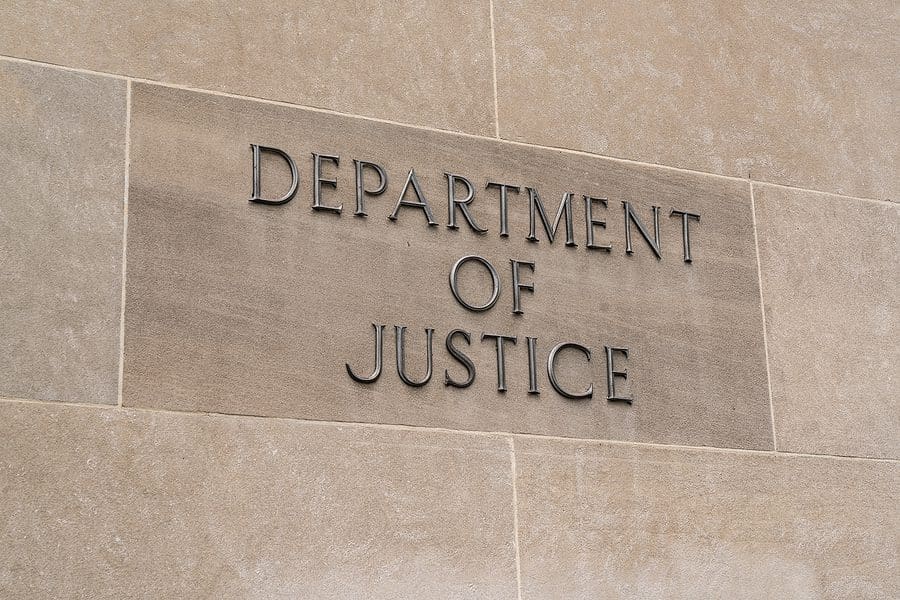

The Department of Justice (DOJ) has unveiled alarming findings of rights violations within California’s women’s prisons, marking a significant moment for advocates of prison reform and women’s rights. This comprehensive investigation highlights systemic issues that have persisted for years, underlining the urgent need for reform in how female inmates are treated and cared for.
The DOJ’s report details a range of violations, including inadequate medical care, excessive use of force by prison staff, and subpar mental health services. Women in these facilities often face unique challenges, including higher rates of trauma and abuse histories that require sensitive treatment approaches. However, the report suggests that such needs are frequently overlooked, with many inmates receiving inadequate psychiatric care. This neglect not only exacerbates existing health issues but also contributes to a cycle of trauma and re-incarceration.
One particularly concerning aspect of the findings is the prevalence of sexual abuse and harassment within these institutions. The report illustrates a culture of silence, where victims fear retaliation or disbelief when they report incidents. Such an environment not only violates federal standards but also undermines the dignity and humanity of the incarcerated women. The DOJ has called for immediate changes to increase accountability among staff and to implement more effective reporting mechanisms for victims.
Furthermore, the report sheds light on the intersection of race and gender within the prison system. Women of color, particularly Black and Latina inmates, are disproportionately affected by these violations. The DOJ has emphasized the necessity of addressing systemic racism within the prison environment, which compounds the challenges faced by these women. This calls for tailored interventions that acknowledge and address the specific social and economic pressures these populations face.
In response to these findings, advocates are calling for systemic reforms that prioritize the rights and well-being of incarcerated women. This includes better training for staff, improved medical and mental health services, and a more transparent process for reporting grievances. There is also a growing conversation about alternatives to incarceration, particularly for non-violent offenders, which could alleviate some of the pressures on the prison system.
As this situation unfolds, it becomes increasingly clear that the issues at California women’s prisons are emblematic of broader systemic failures within the correctional system. Advocates hope that the DOJ’s findings will catalyze essential reforms, leading to a more humane and just environment for women who are, after all, individuals deserving of dignity and respect, regardless of their circumstances. The findings serve as a crucial reminder that the fight for justice extends far beyond the courtroom; it also encompasses the fundamental rights of those serving time behind bars.
For more details and the full reference, visit the source link below:


